People, Stories, and Things of Kyushu: Sake Brewing on the Island of Shochu
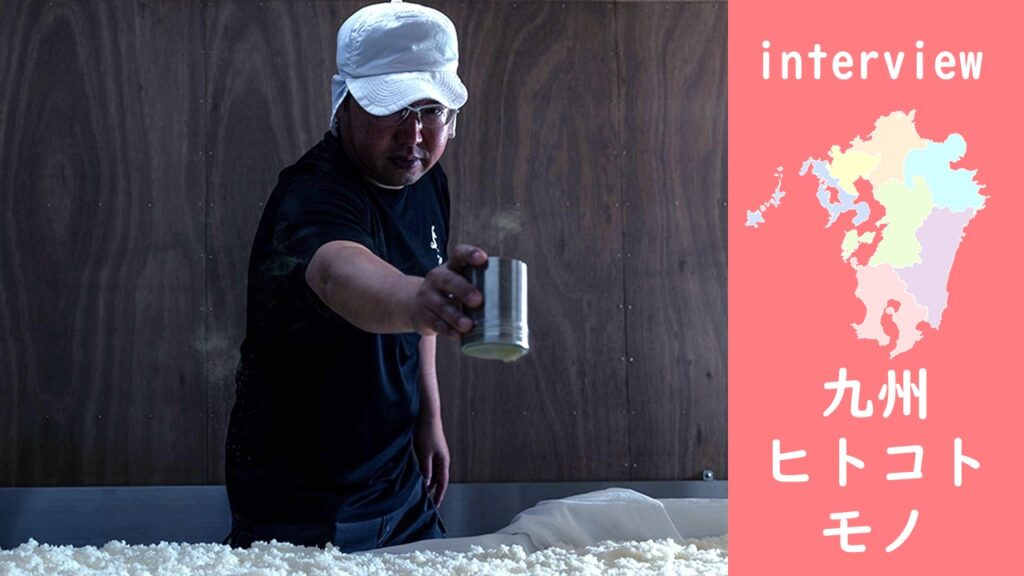
On the remote island of Iki in Nagasaki Prefecture, shochu made from barley has been produced for about 500 years. Thanks to traditional methods cultivated over this long history, it received "Geographical Indication" designation from the World Trade Organization (WTO) in 1995. Consequently, Iki is synonymous with barley shochu, earning it the name "Shochu Island." However, sake brewing was once conducted alongside it.On Iki, where sake production had ceased, one man is taking up the challenge of reviving it. That man is Taiso Yokoyama of Shigeya Shuzo.
Reviving the sake that was discontinued in my father's generation
Shigeya Shuzo was founded in 1924, at the end of the Taisho era. From its founding, it produced both shochu and sake. "According to records from Meiji 35 (1902), Iki had 17 sake breweries and 38 shochu distilleries." Their numbers gradually declined, reaching just 2 sake breweries and 7 shochu distilleries by the 1980s.Shigeya Shuzo was the last one standing, but it ceased sake production in 1990 during the tenure of Mr. Yokoyama's father. At the time, Mr. Yokoyama was in his second year of high school. "Business was tough, and the master brewer who had come from Kurume was also getting quite old," he recalls.
My father, who had given up sake brewing, felt a sense of shame that he couldn't make amends to our ancestors. As the second son, I didn't have a strong sense of duty to inherit the brewery. Yet, a desire had begun to grow within me: to revive sake brewing while my father was still alive, to prevent the culture of sake from dying out on Iki Island.
After that, I left the island to attend university and then start my career. When I returned, my family's sake brewery lay dark and desolate. My brother and I poured our sweat into running the brewery, making shochu, and scrambling to develop new sales channels. Yet the desire to revive sake production never faded. No, that desire only grew stronger. Though my father's generation had stopped making sake, we had never surrendered the brewing license.
In 2013, I pleaded with a sake brewery in Karatsu City to let me begin training in sake brewing. There, I crafted the special junmai sake "Kakuzo Our Spirit (Our Feelings)". This was the name of the first generation of Shigeie Shuzo and also the brand of an aged sake that had once lain forgotten in a corner of the brewery. The following year, I poured out my feelings to the president of Sumikawa Shuzo in Yamaguchi Prefecture. "I want to brew sake on Iki Island."The president accepted his vision. That same year, they began selling "Junmai Daiginjo Yokoyama 50." Step by step, he was making his dream a reality.
Sake made from the island's water and rice
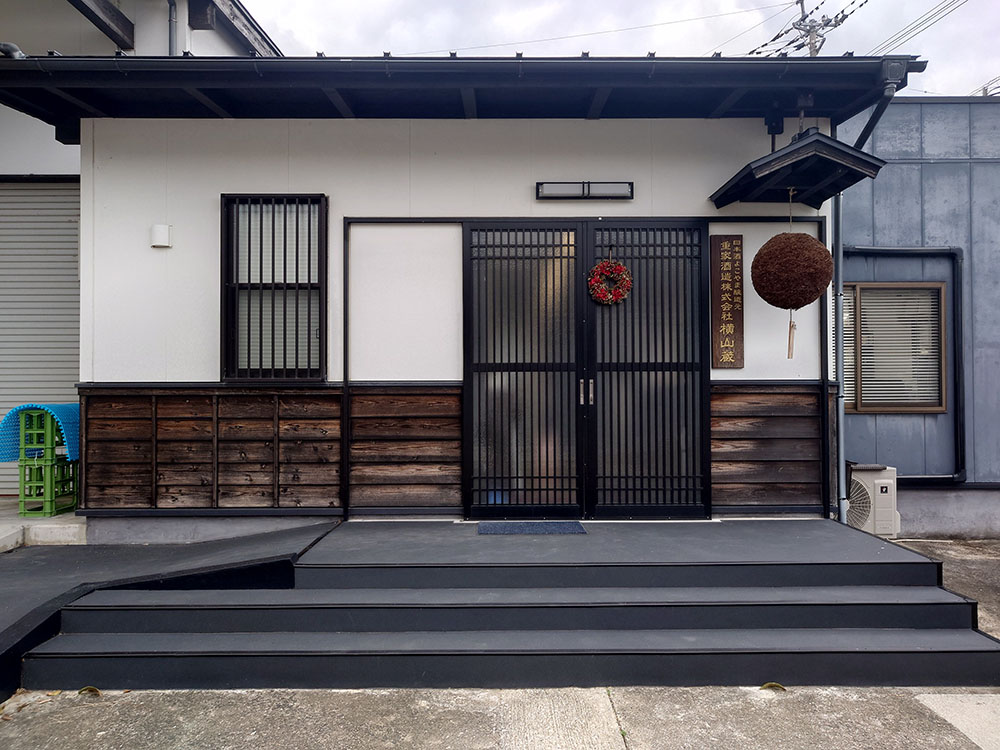
In 2018, Mr. Yokoyama built his long-cherished sake brewery on Iki Island. That brewery is "Yokoyama Kura." He designed it himself. And the key to sake brewing is water and rice. Iki sake is made with Iki water and rice. An island rich in nature and fertile soil... Yet, finding the ideal water source was not so easy.
After visiting 20 water sources across the island, I finally found one suitable for sake brewing—soft water. Finding sake rice was also a struggle. I visited sake rice farmers nationwide, only to be turned away at the gate. They wouldn't sell to a stranger without their own brewery. Still, I persisted, and finally one farmer agreed. Gradually, more farmers began sending me sake rice.
However, cultivating sake rice on the island presented one challenge. The common sake rice variety "Yamada Nishiki" is prone to lodging in the island's strong sea winds. A sake rice with shorter ears and thicker stems is more suitable.The sake rice variety they settled on was "Gin no Sato." A hybrid of "Yamada Nishiki" and "Saikai 222," its ears are shorter than "Yamada Nishiki," yet its flavor is indistinguishable. "When brewed into sake, it offers a soft mouthfeel and a clean taste in exquisite balance—truly delicious." They became completely enamored with "Gin no Sato."
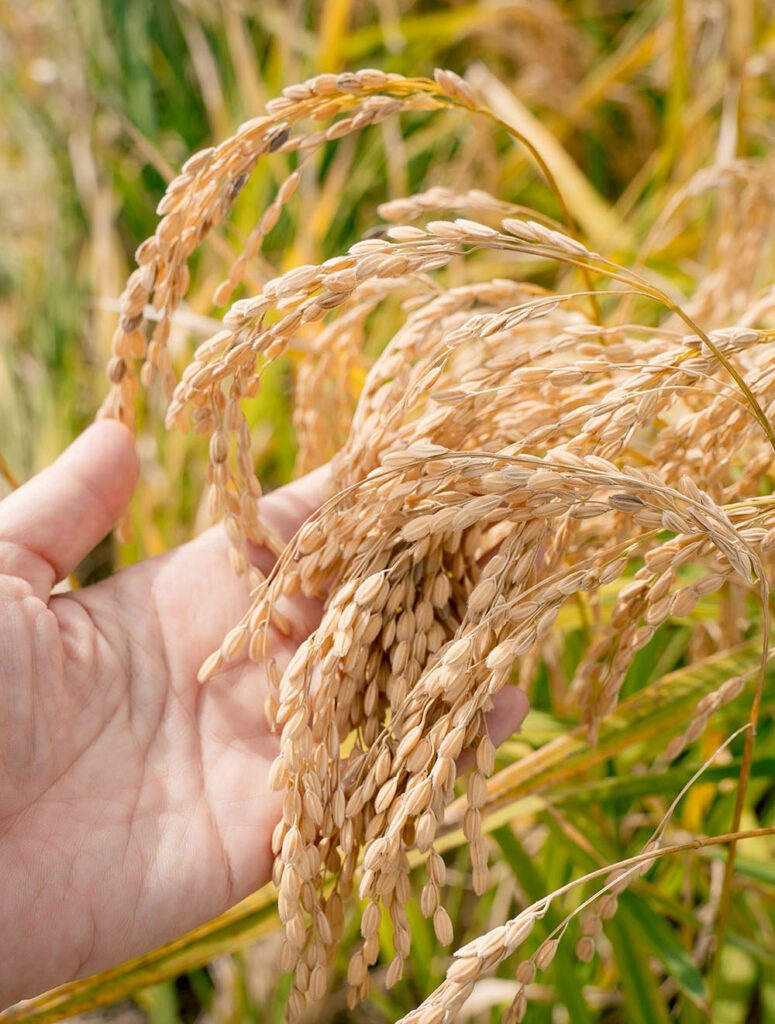
The goal is for this "Gin no Sato" to be designated as a recommended variety by Nagasaki Prefecture. "Actually, it's a new variety registered in 2010. Fukuoka and Kumamoto Prefectures have already designated it as a recommended variety, but Nagasaki hasn't yet," says Mr. Yokoyama. Therefore, after approaching the prefectural officials, trial cultivation began in 2021 to make it a prefectural recommended variety. To be designated as a recommended variety, it must be cultivated for at least three years, and it must also be proven to produce delicious sake.It will take at least another two or three years, but he shows confidence: "This year, we harvested top-grade Class 1 and Class 2 rice again." Incidentally, in 2021, he used "Gin no Sato" to brew the Junmai Daiginjo "Yokoyama Princess Michiko Gin no Sato," which sold out completely.
Spreading its wings from a small island to the world
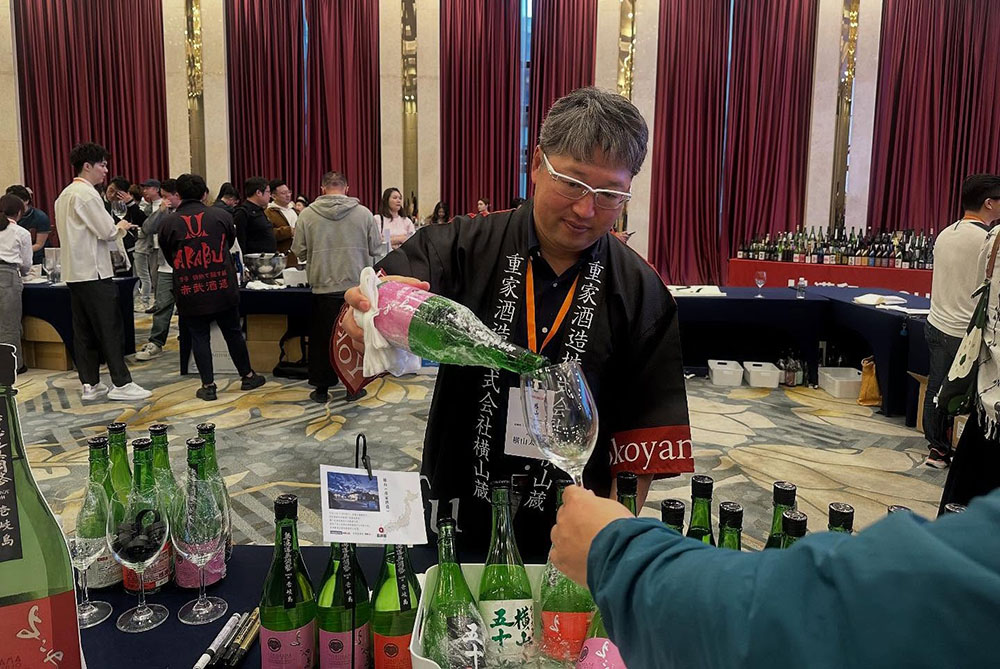
So, was there any opposition from those around him when he decided to restart sake brewing, which had been discontinued? He laughed at that question and said, "Oh, there was. My father, my brother and his wife, my wife—everyone was against it." From the family's perspective, the initial investment, including equipment, was substantial, and there was no guarantee he could make good sake. Still, he insisted, "I'm absolutely doing this!" He secured a bank loan and had a proven track record from his five years of experience at Sumikawa Sake Brewery.
The selection of "Junmai Daiginjo Yokoyama Goju" in the sake project produced by Hidetoshi Nakata, and the resulting PR activities in Italy, also boosted my confidence. This gave me a tangible sense that sake would sell well going forward. I was confident in the message power of being "the island's only sake brewery." "In the end, my family bet on me."
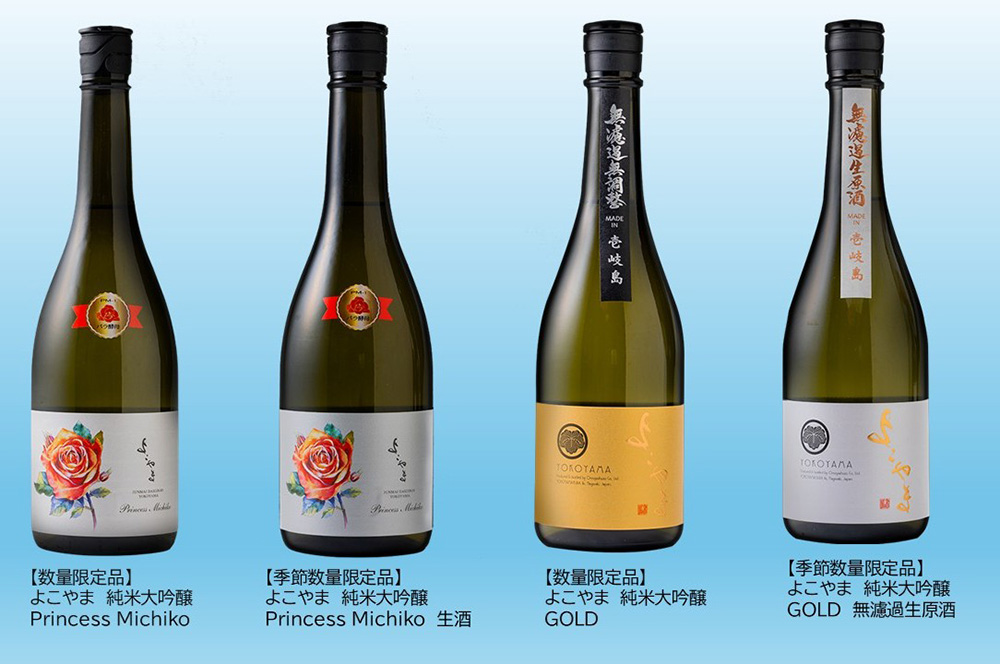
The results of that gamble are reflected in sales. His brother's shochu distillery now accounts for 20%, while Mr. Yokoyama's sake brewery makes up 80%. "He says it was worth the gamble," he laughs again.Currently, they produce a total of 25 brands, including year-round products, seasonal limited editions, and limited-quantity releases. In 2024, "Junmai Daiginjo Yokoyama Princess Michiko" won the Grand Prix at the "Matsuo Taisha 7th Sake-1 Grand Prix," while "Junmai Daiginjo Yokoyama GOLD" received a SILVER award at the "SAKE COMPETITION 2024."Its distribution channels have expanded, with sales now reaching eight countries overseas. The sake revived on Iki Island is steadily spreading its wings to the world.
Shigeie Sake Brewery Co., Ltd.
Location: 200 Intsujiura, Ishimachi, Iki City, Nagasaki Prefecture 811-5214